

Portugal's charm comes with a hidden drawback: humidity. Between the Atlantic breeze, mild winters without central heating, and older buildings with poor insulation, mold is one of the most common complaints among residents of Lisbon and the surrounding region. The good news is that living mold-free in Portugal is entirely possible, but it requires understanding why mold appears here so often and taking consistent action to prevent it.
Why is mold so common in Portuguese homes?
Mold thrives in Portugal mainly because of the combination of high outdoor humidity, limited home insulation, and a cultural habit of under-heating interiors during cooler months. Many apartments in Lisbon, Porto, and coastal towns were built decades ago with single-pane windows, thin walls, and little to no ventilation systems. When warm, moist air meets cold surfaces like window frames or exterior-facing walls, condensation forms. Left unchecked, that moisture becomes the perfect breeding ground for mold spores, especially in bathrooms, kitchens, closets, and north-facing bedrooms.
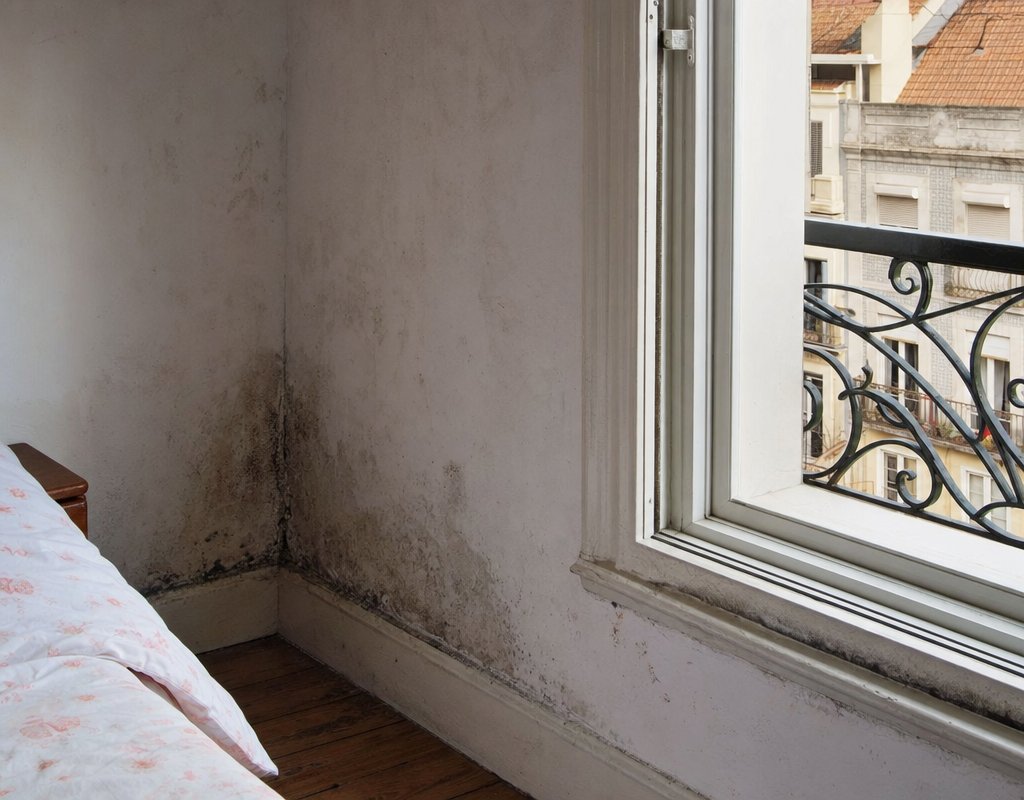
Seasonal rain also plays a role. Portugal's wet winters push moisture into walls and foundations, and without proper drainage or waterproofing, that dampness can seep indoors for months. Older buildings in historic neighborhoods are particularly vulnerable, since many were constructed before modern damp-proofing techniques existed.
The health risks of ignoring it
Mold exposure is linked to respiratory irritation, allergic reactions, and worsened asthma symptoms, particularly in children and the elderly. Even when mold is not visibly widespread, musty odors and recurring colds in the household can be signs that spores are present in hidden areas such as behind furniture or inside air conditioning units.
How do you stop mold from coming back for good?
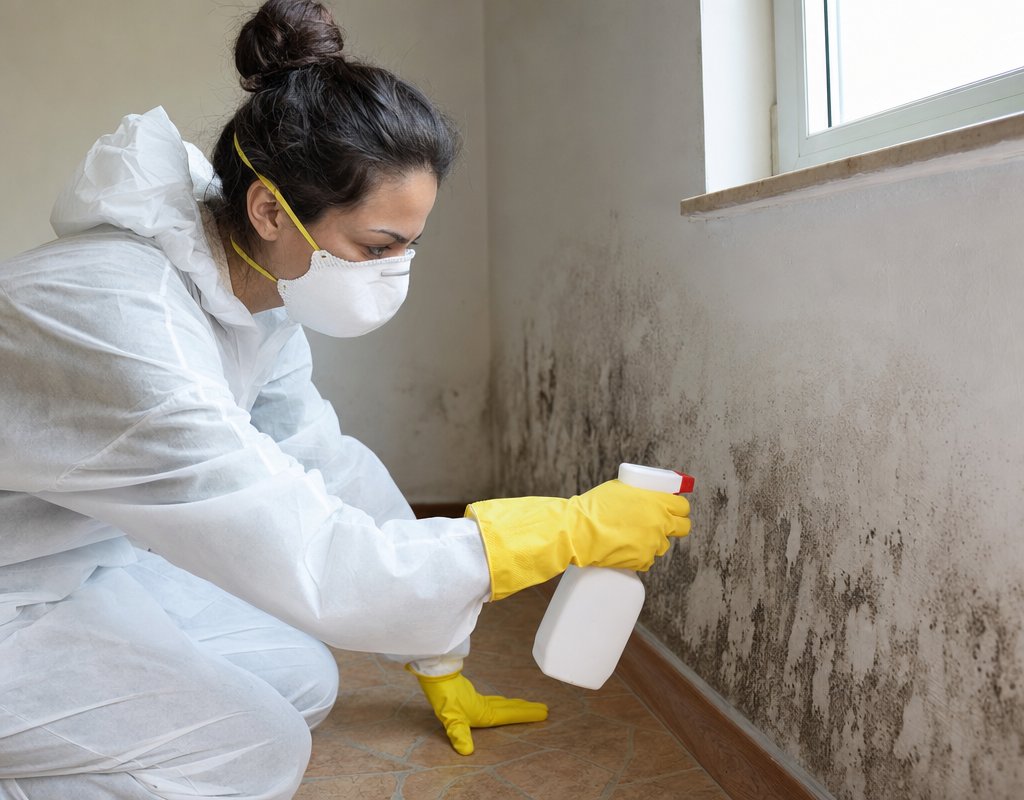
Stopping mold permanently requires addressing both the moisture source and the existing contamination, not just wiping away visible spots with bleach. A surface clean might remove the stain, but if the underlying humidity problem is not solved, mold will return within weeks. The most effective long-term approach combines ventilation improvements, moisture control devices, and professional deep cleaning when infestations are already established.

- Ventilate daily: Open windows for at least 10-15 minutes each day, even in winter, to let trapped humidity escape.
- Use a dehumidifier: Especially in bedrooms and basements, keeping indoor humidity below 60% drastically reduces mold growth.
- Fix leaks promptly: Pipes, roofs, and window seals should be inspected regularly, as slow leaks are a leading hidden cause of recurring mold.
- Clean fabric surfaces: Mattresses, sofas, and carpets absorb moisture and can harbor spores invisible to the naked eye.
If you already use a dehumidifier at home, keep in mind that the appliance itself needs regular care. Dirty filters and tanks can actually spread spores back into the air, which is why many residents schedule professional cleaning and sanitizing of dehumidifiers every few months. Similarly, air conditioning units that run during humid summers accumulate moisture internally, and without maintenance they become a hidden mold source; a thorough air conditioning cleaning service can eliminate that risk before it spreads to the rest of the house.
When should you call a professional instead of cleaning it yourself?
You should call a professional once mold covers an area larger than roughly a square meter, keeps returning after cleaning, or when you are unsure how far it has spread behind walls or furniture. DIY solutions like vinegar or bleach can manage small, isolated spots, but they rarely eliminate the root colony growing inside porous materials such as drywall, grout, or wood. Attempting to scrub large infestations without protective equipment can also release spores into the air, worsening exposure for the people living there.
A professional assessment typically starts with identifying exactly what you are dealing with. A dedicated mold detection and identification test with a full report can confirm the species present, the humidity levels in affected rooms, and whether the contamination has spread beyond what is visible. This is particularly useful before buying or renting a property, or after noticing a musty smell without an obvious source.
Once the problem is confirmed, a structured deep mold cleaning service for homes in the Greater Lisbon area removes contamination from walls, tiles, and hidden corners using appropriate equipment and treatments, rather than masking the issue temporarily. This is especially important for families with young children, allergy sufferers, or anyone who has noticed recurring respiratory symptoms at home.
Furniture and textiles deserve attention too
Mold does not only grow on walls. Mattresses absorb sweat and moisture every night, making them surprisingly common hiding spots for spores and dust mites alike. A periodic mattress sanitizing service helps remove trapped moisture and allergens that regular vacuuming cannot reach. The same logic applies to upholstered furniture: a professional sofa cleaning service can refresh fabrics that have absorbed months of humidity, especially in living rooms that face the coast or lack good airflow.
Can older or coastal properties ever be fully mold-free?
Yes, older and coastal properties can become mold-free, but it usually takes a combination of structural fixes and ongoing maintenance rather than a single cleaning session. Buildings near the Tagus estuary or the Atlantic coastline face constant exposure to salty, humid air, which accelerates condensation on walls and window frames. Owners of these properties often need to invest in better insulation, sealed windows, and extractor fans in bathrooms and kitchens to break the cycle permanently.
That said, consistent habits make an enormous difference even without major renovations. Regular airing, dehumidifier use, and seasonal deep cleaning sessions keep humidity from accumulating to dangerous levels. Many residents also pair this with a full deep home cleaning service once or twice a year to reach spaces that daily cleaning routines tend to miss, such as behind wardrobes, under sinks, and inside storage closets where moisture quietly builds up.
Ultimately, living in Portugal without mold is realistic for almost any property, provided the moisture source is identified early and addressed with the right combination of ventilation, maintenance, and occasional professional support. If you are uncertain where to start, reaching out through our contact page for information and a tailored assessment is often the fastest way to get a clear picture of your home's specific situation and the steps needed to keep it dry, healthy, and comfortable throughout the year.